
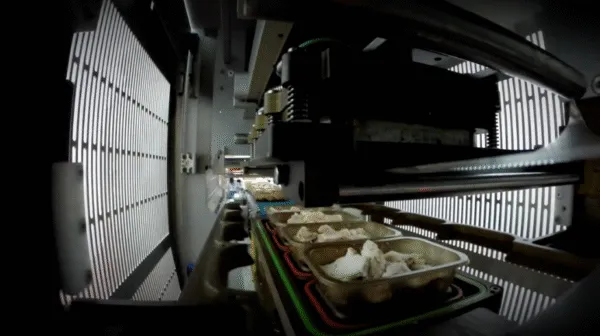
Anyone working with fresh food wants products to remain as fresh, durable, and appealing as possible. One method commonly used is MAP packaging. MAP stands for Modified Atmosphere Packaging, which means packaging under a protective atmosphere. But what does this actually involve, and why should you use it?
What is MAP Packaging?
In MAP packaging, the air inside a package is replaced with a specific gas mixture, typically oxygen (for red meat), carbon dioxide, and nitrogen. By adjusting this ratio to the product (such as meat, fish, cheese, or fresh produce), the growth of microorganisms and oxidation is slowed. This keeps the product fresh for longer without the need for artificial preservatives.
What Are the Benefits?
-
Longer shelf life without quality loss
-
Reduced waste, both in the supply chain and at the consumer level
-
Better presentation, as the product retains its taste, color, aroma, and texture
-
More sustainable packaging, especially when combined with recyclable or cardboard trays